

Deciding when to spay or neuter your pet is not always as simple as choosing an age on the calendar. Your veterinarian can help you consider your pet’s age, size, health, development, and lifestyle before deciding when surgery makes sense.
Bridge Veterinary Care provides cat and dog spay and neuter procedures at our Bay Shore, NY animal hospital. We keep the process straightforward, from discussing timing and preparing for surgery to explaining recovery and what to watch for once your pet is home.
Unsure if your pet is at the right age to be spayed or neutered? Reach out to our team and we’ll discuss the appropriate timing.
Why Spay or Neuter Your Dog or Cat?
Spaying and neutering prevent unplanned litters, but there are medical reasons to consider these procedures as well.
Spaying removes the reproductive organs responsible for pregnancy and eliminates the risk of pyometra, a potentially serious uterine infection. Neutering removes the testicles, preventing testicular disease and reducing reproductive behaviors influenced by hormones.
The potential benefits and ideal timing can vary from one pet to another, particularly for dogs of different breeds and sizes. Your veterinarian can talk through those factors with you rather than applying the same recommendation to every patient.
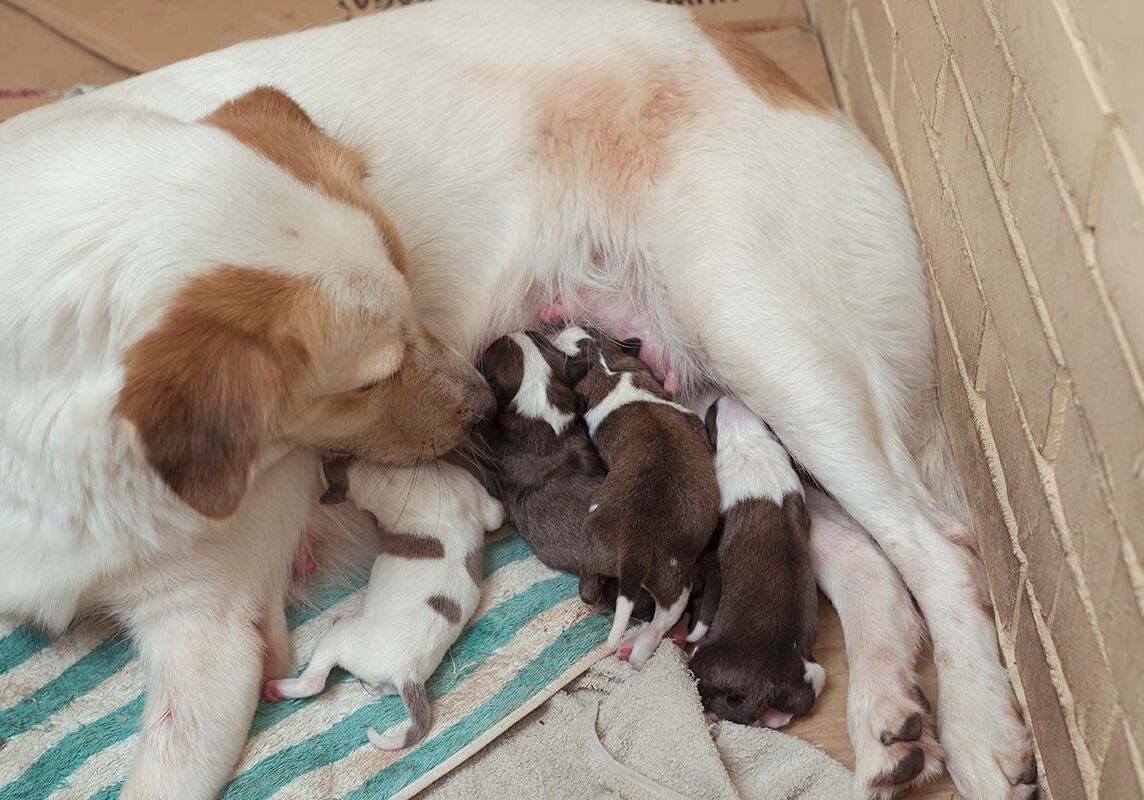
When Should My Pet Be Spayed or Neutered?
There is no single age that is right for every dog or cat.
For cats, spay and neuter procedures are commonly performed while they are young, typically around 5 months. For dogs, your veterinarian may consider additional factors such as breed, expected adult size, health history, and development when recommending timing.
If you have a new puppy or kitten, bring up spaying or neutering during their wellness visits. This gives you time to discuss the procedure and plan ahead rather than waiting until surgery needs to be scheduled.

What Should I Expect After My Pet Is Spayed or Neutered?
Most pets need a period of restricted activity while the surgical site heals.
Your discharge instructions will explain how to care for your pet at home. In general, recovery may include:
-
Keeping activity limited while the incision heals
-
Preventing running, jumping, and rough play
-
Keeping the incision clean and dry
-
Preventing licking or chewing at the surgical site
-
Giving prescribed medications according to your veterinarian’s instructions
-
Checking the incision each day for swelling, redness, discharge, or opening
Some sleepiness and reduced activity may occur after anesthesia. Contact Bridge Veterinary Care if your pet is not recovering as expected or you notice changes that concern you.