
Dental problems can be easy to miss until they start affecting how your pet eats, chews, or acts. Tartar, inflamed gums, broken teeth, and disease below the gumline may cause discomfort even when your dog or cat is still eating normally.
Our cat and dog teeth cleaning services are designed to restore oral health by removing buildup, evaluating the health of the teeth and gums, and addressing dental problems before they become more painful.
If your pet needs professional dental care in Bay Shore, NY, reach out to our team.
Why Is Professional Teeth Cleaning Important for Pets?
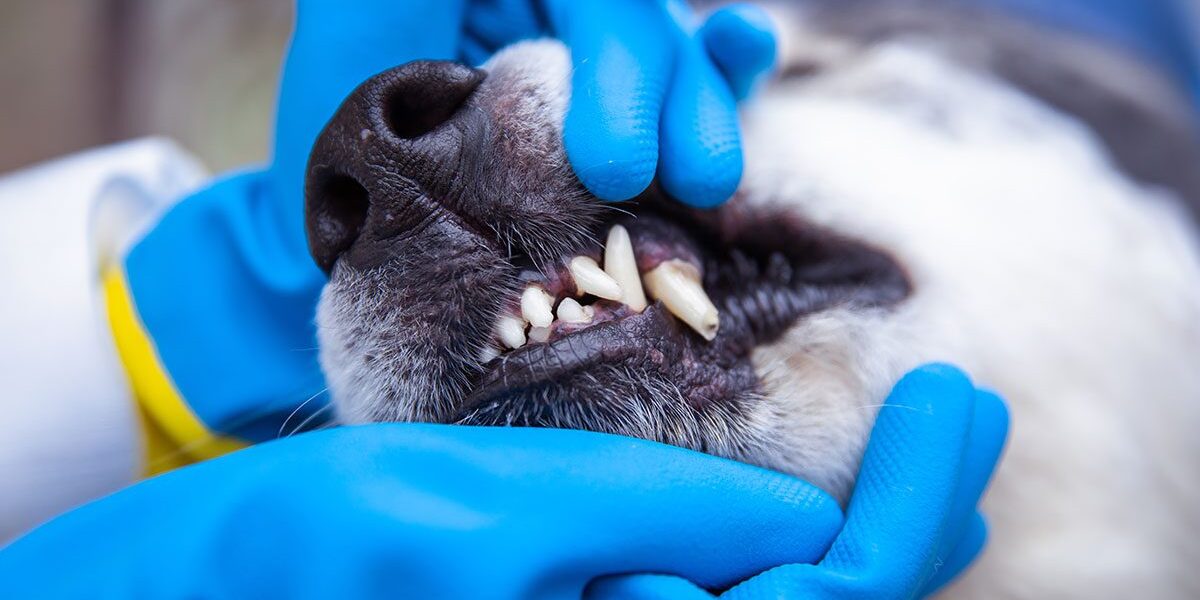
Plaque and tartar build up above and below the gumline. Over time, that buildup can contribute to gingivitis, periodontal disease, infection, loose teeth, and oral pain.
A professional dental cleaning allows your veterinary team to clean areas that cannot be reached effectively with brushing alone. It also gives your veterinarian a chance to examine each tooth closely and look for problems that may not be obvious from the outside.
When Should My Dog or Cat Have a Dental Evaluation?
Dental disease can develop gradually, and pets do not always show obvious signs of discomfort.
Schedule a dental evaluation if you notice:
-
Persistent bad breath
-
Yellow or brown tartar
-
Red, swollen, or bleeding gums
-
Dropping food while eating
-
Chewing on one side of the mouth
-
Pawing at the face or mouth
-
Loose or broken teeth
-
Reduced interest in hard food or treats
-
Facial swelling
-
A sudden change in appetite
What Happens During a Cat or Dog Teeth Cleaning?
A professional dental cleaning involves more than removing visible tartar.
Your pet’s dental procedure may include:
-
A full oral examination
-
Cleaning above and below the gumline
-
Polishing the teeth
-
Dental X-rays when indicated
-
Evaluation for loose, fractured, or diseased teeth
-
Extractions when a tooth cannot be saved
Because a thorough cleaning requires access below the gumline and careful examination of the entire mouth, veterinary dental cleanings are performed under anesthesia.
What Should I Expect After My Pet’s Dental Procedure?
Recovery depends on what was done during the procedure.
Pets that have a routine cleaning without extractions often return to their normal routine quickly. If your pet has teeth removed, your veterinary team will give you instructions for feeding, medications, activity, and monitoring at home.
You should contact our animal hospital if your pet is not eating, seems unusually uncomfortable, develops swelling, or you have concerns about their recovery.
How Can I Support My Pet’s Dental Health at Home?
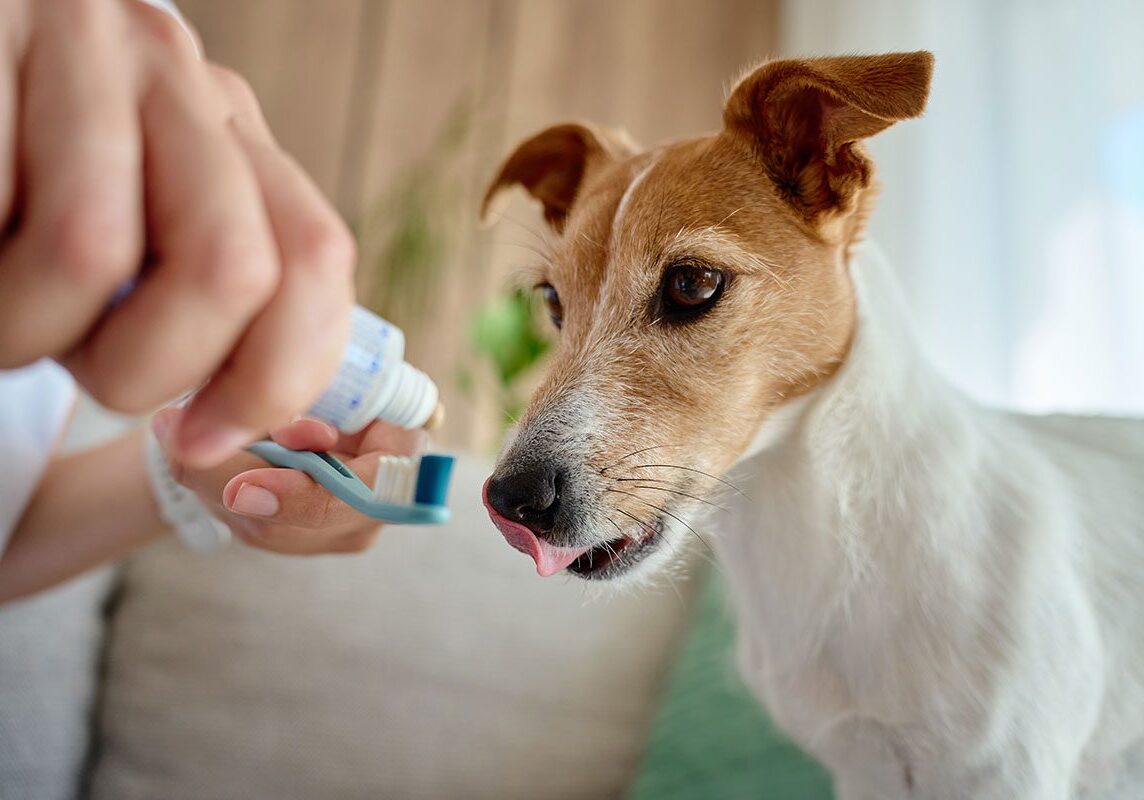
Home dental care can help slow the buildup of plaque between professional cleanings.
Your veterinarian may recommend regular brushing with pet-safe toothpaste or other veterinary-approved dental products. Human toothpaste should not be used for pets.
Home care does not replace professional cleaning once tartar and periodontal disease are already present, but it can help support oral health between visits.